It's the start of the year.
Your pipeline is either strong or exposed.
Most leadership teams allow that reality to dictate behaviour. When enquiries are flowing, there is relief. When sales soften, urgency creeps in. Budgets shift. Agencies get briefed. Campaigns accelerate.
That's reactive.
And while it feels productive, it's fragile.
The better operators don't wait for demand to appear. They design what happens next.
Pipeline isn't something you monitor. It's something you engineer.
After years working inside global brands and highly competitive categories, one principle holds: pipeline isn't something you monitor. It's something you engineer. And the mechanism that engineers it is strategic marketing.
Most pipeline volatility isn't a sales issue. It's a strategy issue. And most strategy issues are marketing discipline issues.
Weak pipeline reflects weak strategy.
Weak strategy reflects weak marketing discipline.
Strong marketing delivers commercial control.
Marketing done properly isn't comms. It's commercial architecture. It shapes timing, influences buying windows, redirects demand and protects margin. It reduces volatility and improves forecasting confidence.
That's the difference between activity and control.

Reactive marketing versus engineered demand.
Reactive marketing focuses on the quarter. It asks how to generate leads now.
Engineered demand asks a harder question: what needs to happen six months before someone buys?
One approach reacts to symptoms. The other designs outcomes.
The Ehrenberg-Bass Institute has shown that brands grow by increasing mental and physical availability. In practical terms, brands win when they are easy to think of and easy to buy. If your brand isn't present in memory before the buying moment, you're absent when intent peaks.
Mark Ritson and the IPA's effectiveness research reinforce the same principle. Brands that balance long-term brand building with short-term activation outperform those trapped in performance-only cycles. Demand is built early and converted later.
Turning marketing on when pipeline dips isn't strategy. It's delay.
Strategic marketing works upstream. It shapes the moment before the moment.
Demand shaping in action.
Once you understand this, the pattern becomes obvious.
Strong operators don't launch and hope. They sequence.
Film: securing opening weekend.

Studios don't simply release films. They build anticipation months in advance through teaser drops, trailer waves and media cycles. By the time release day arrives, audience attention is already committed.
The commercial logic is straightforward:
- Lock in mental availability.
- Secure share of wallet.
- Reduce substitution risk.
Opening weekend performance drives total trajectory. Early momentum compounds.
That isn't luck. It's engineered demand.
Booze: owning the occasion.

Alcohol brands don't sell product alone. They attach themselves to moments.
Aperol has positioned itself around the European summer ritual. Corona has embedded itself in the beach day. Asahi owns the refined after-work occasion. Heineken aligns with global motorsport and major sporting events.
The objective is not visibility for its own sake. It is association with predictable consumption occasions. When the moment arrives, the brand feels automatic.
The commercial outcome:
- Expanded category entry points.
- Increased penetration and frequency.
- Reduced substitution.
That's engineered availability at scale.
Retail: manufacturing Black Friday.

Black Friday did not organically emerge in Australia. Retailers imported it, amplified it and trained customers to expect it.
In doing so, they engineered a new demand spike between financial year clearance and Christmas. Behaviour shifted. Revenue concentrated.
The impact:
- Revenue pulled forward.
- Seasonal volatility reduced.
- Discretionary spend captured earlier.
Manufactured urgency. Designed revenue control.
Automotive: redirecting purchase intent.

In automotive, waiting for vehicles to land before marketing begins is too late.
Instead, demand is secured early through register-interest programs, pre-order deposits and VIP previews. Buyers are identified and held before competitive alternatives can intervene.
The objective is not noise. It is control.
- Delay competitive purchase.
- Maintain in-market attention.
- Convert early demand at launch.
Sales are not chased. They are redirected.
Tech: waitlists and controlled release.

Apple, Tesla and leading SaaS businesses rarely open sales without preparation. They stage access deliberately through waitlists, beta programs and defined release waves.
Scarcity increases perceived value. Defined windows increase urgency. Controlled access shapes the demand curve before scale.
By the time doors open, demand has already been conditioned.
Scarcity is not accidental. It is managed.
Luxury: protecting margin through scarcity.
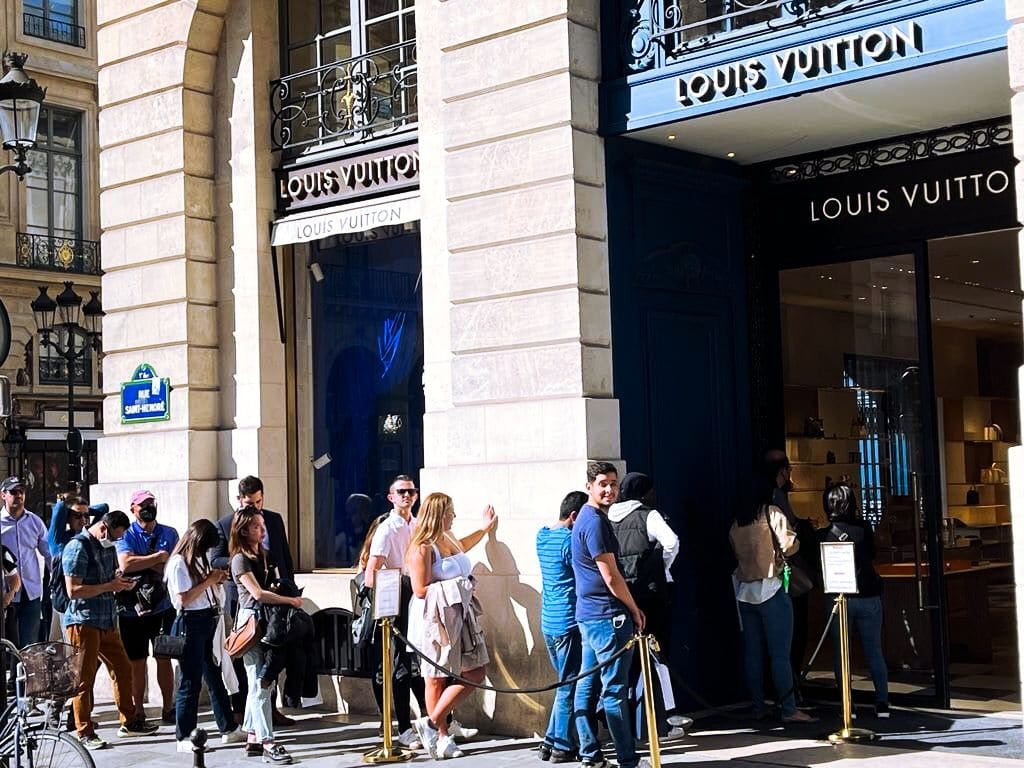
Luxury brands manage release cadence with precision. Limited drops, controlled distribution and restricted access maintain tension between desire and availability.
The objective is clear:
- Protect price integrity.
- Sustain perceived value.
- Maintain demand tension.
This is not hype. It is margin control.
Engineered demand in the creator and social era.
The platforms have changed. The mechanism hasn't.
Today, demand is shaped through influencer partnerships, community-led brands, product drops, waitlists and algorithm-driven discovery.
But the channel is not the strategy. Sequencing is.
Creators are powerful because they are perceived as people rather than institutions. When they offer early access or first-look privileges, it feels like inclusion rather than advertising.
Inclusion drives commitment. Commitment increases conversion.
The strongest creator-led brands do not randomly promote products. They build anticipation, stage access, define windows and close decisively.
That is not social media activity. It is demand sequencing.
Technology evolves. Demand engineering does not.
A practical framework to engineer demand.
If you lead revenue, start here.
- Analyse your revenue curve. Understand where volatility exists and why.
- Identify vulnerability gaps. Find where competitors intercept intent and where you're absent from consideration.
- Define pre-demand signals. Capture early behaviours before the buying moment.
- Design pre-launch conditioning. Build anticipation waves, not isolated campaigns.
- Capture and protect interest. Use CRM discipline, priority access, deposits and defined windows so demand does not drift.
This isn't about doing more marketing.
It's about sequencing better.
Final word for CEOs.
Full pipeline or quiet pipeline, the discipline is the same.
If your growth depends on reacting to quarterly dips, your marketing isn't strategic enough.
Strategic marketing is commercial control. It shapes when people buy, influences who they buy from and protects margin when competitors discount. It reduces volatility and improves forecasting confidence.
The strongest businesses do not treat marketing as a support function. They treat it as a strategic growth lever embedded inside commercial planning.
Marketing done properly is not a cost centre. It is revenue architecture.
And that level of marketing does not come from isolated tactics or channel expertise alone. It comes from understanding category dynamics, launch economics, scarcity mechanics and behavioural sequencing across multiple competitive sectors.
That pattern recognition matters.
When you work with Hum, you get strategic demand engineering built from experience in the big leagues, not just one niche or channel.
If it's time to rethink demand, start upstream.
If your demand generation, pipeline management or revenue growth strategy needs sharper commercial intent, book a diagnostic call. We'll look at where demand is leaking, where the timing is wrong and what needs to be designed upstream.
Book a diagnostic call