
Growth wasn’t short of opportunity. It was short of priority.
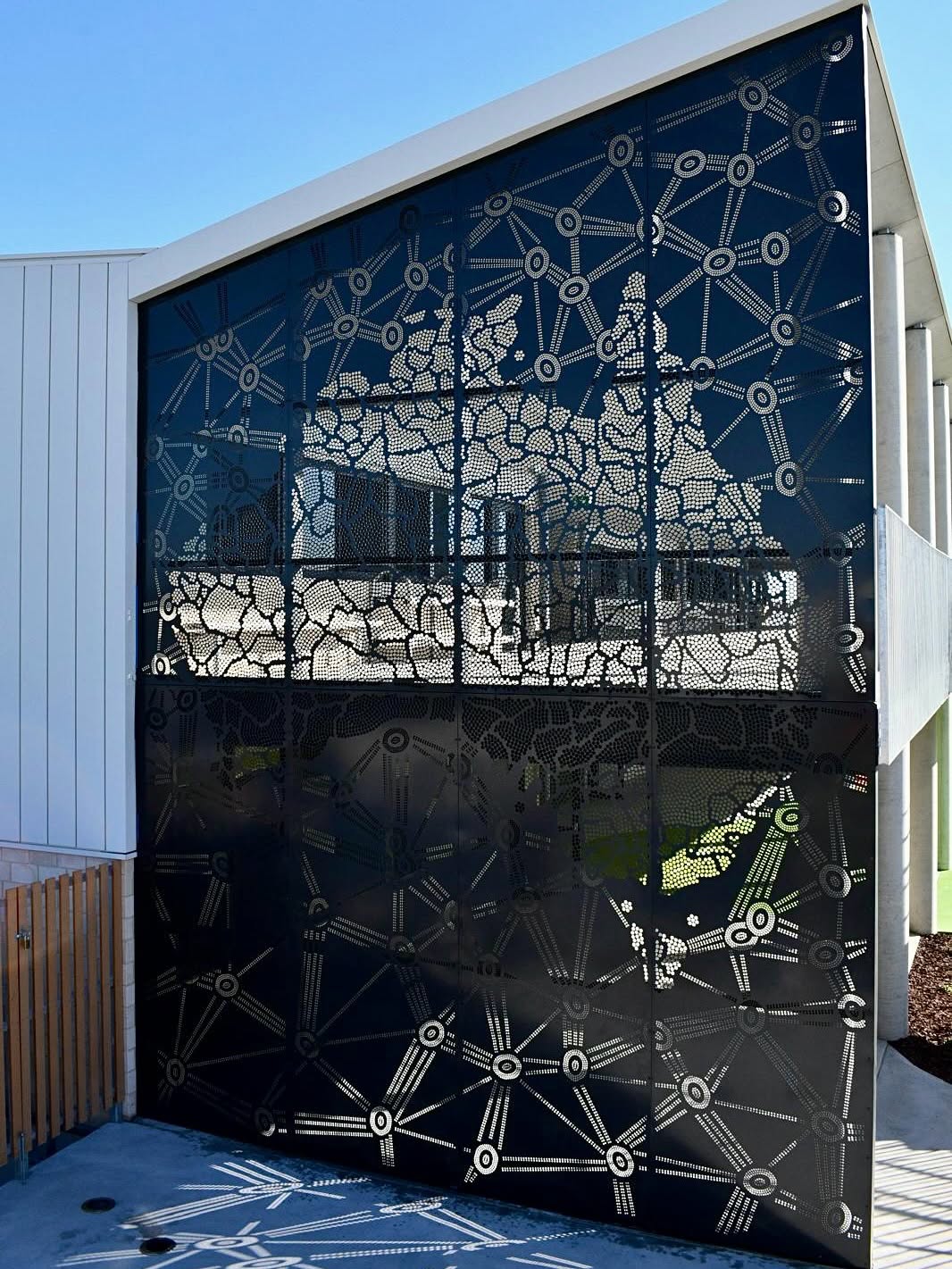
Walpix had strong manufacturing capability, growing exposure through Bunnings, established trade relationships and several credible growth paths across retail, direct-to-consumer, search and digital.
The challenge wasn’t finding more ideas. It was deciding what mattered most, what role each channel should play and what needed to be fixed first so growth didn’t create more complexity than value.
The Challenge
Walpix served very different audiences. Homeowners needed inspiration, confidence and a simple path from idea to finished project. Trade customers needed technical detail, product performance and certainty around specification and delivery.
At the same time, Bunnings had become an important retail opportunity, while Walpix’s own website and design tools created a direct relationship with customers.
Those opportunities couldn’t simply be treated as separate channels. Without clearer priorities and journeys, Walpix risked confusing customers and spreading limited time and budget too thinly.
The Insight
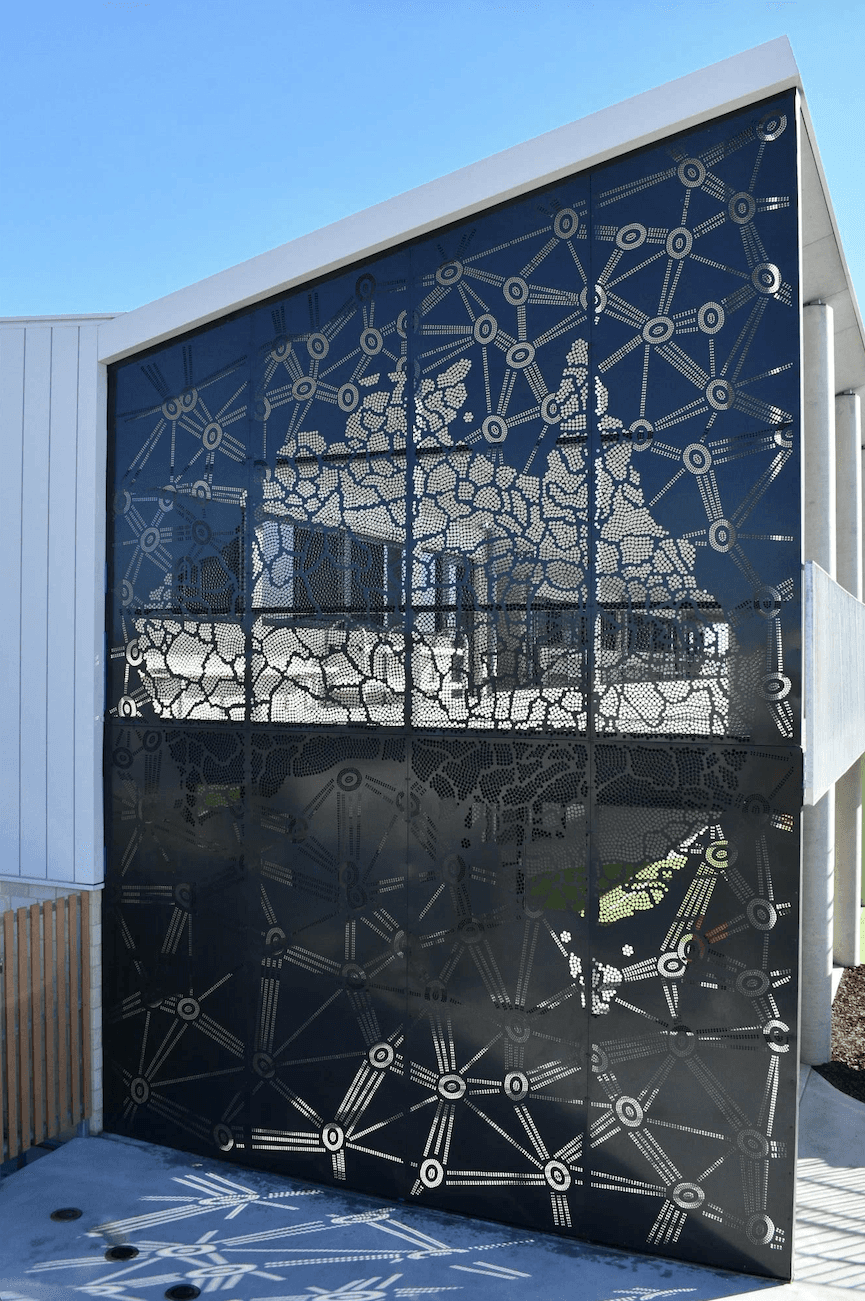
Many homeowners didn’t naturally think of perforated metal as a design solution, or understand what was possible with it.
Walpix therefore needed to do more than sell panels. It had to help customers imagine an outcome, design something they liked and feel confident getting it made.
That shaped the Do It With Me thinking. Customers wanted creative control, but not to be left alone with it. They needed inspiration, guidance and confidence through the process.
The marketing, website, design experience and fulfilment journey therefore had to work as one system.
Hum’s Role
Hum developed a prioritised growth strategy around those realities.
We clarified the role of Bunnings, direct-to-consumer and trade, sharpened the proposition and defined where Walpix should focus first rather than trying to pursue every opportunity at once.
The website and search strategy were then reshaped around how different customers discover, understand and progress through the product.
Just as importantly, we identified that the journey couldn’t stop at marketing. If customers could design a project but struggled to move confidently through quote, order, fulfilment and delivery, growth would leak out further down the funnel.
That wasn’t an operational side issue. It was part of conversion.

The Outcome
Walpix now has a clearer framework for growth: what to prioritise, how its channels should work together and where the customer journey needs to support the marketing around it.
The business has a sharper proposition, stronger digital foundations and a more practical order of operations.
For a business with finite time and resources, that matters.
A useful strategy doesn’t tell you everything you could do. It tells you what to back first.
Want a clearer view of what your marketing should do first?
Hum helps businesses identify the real growth opportunity, decide what deserves priority and turn that into a practical plan the business can actually execute.
Book a diagnostic call